
Inverter for UPS Backup in Pakistan – A Smart Power Solution for Homes
Load shedding has become a routine challenge across Pakistan. From short power cuts to long hours without electricity, homes need a dependable backup system. This is where an inverter used as a UPS backup becomes the most practical and cost-effective solution for uninterrupted power at home.
Unlike traditional UPS systems designed for computers, home inverters are built to handle longer outages and higher loads, making them ideal for Pakistani conditions.
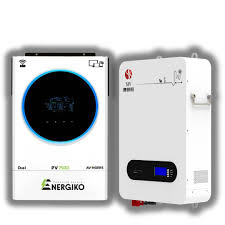
Understanding an inverter as a UPS backup
When grid electricity fails, an inverter instantly shifts your home to battery power. It converts stored DC energy into AC electricity, allowing essential appliances to continue running smoothly.
A good inverter for UPS backup should provide:
- Instant and automatic power switching
- Stable voltage output
- Sufficient backup duration
- Safe operation for home appliances
This seamless transition ensures your lights stay on, fans keep running, and internet remains active without interruption.
Why inverters are preferred over standard UPS systems
Traditional UPS units are limited in both power capacity and backup time. They are mainly suitable for computers and small devices. In contrast, inverters are designed for full-home backup during frequent and extended outages.
Key benefits of inverters include:
- Longer backup hours during load shedding
- Ability to power multiple home appliances
- Support for large battery banks
- Compatibility with solar charging systems
- Better performance for daily power cuts
For Pakistani households, an inverter delivers more value and reliability than a standard UPS.
Types of inverters suitable for UPS backup
Off-grid inverters
Off-grid inverters are widely used for UPS backup. They rely entirely on batteries and work independently from the electricity grid.
Best suited for:
- Areas with frequent or unpredictable power cuts
- Homes without net metering
- Users looking for a simple backup solution
Hybrid inverters
Hybrid inverters offer both UPS backup and solar integration. They can charge batteries from solar panels and grid power, making them future-ready.
Best suited for:
- Homes planning to install solar systems
- Users aiming to reduce electricity bills
- Long-term energy solutions
Pure sine wave inverters
Pure sine wave output closely matches grid electricity and is safe for all appliances.
Recommended for:
- Refrigerators and televisions
- Computers and routers
- Inverter-based air conditioners
Choosing the right inverter size for your home
Selecting the correct inverter capacity is crucial for smooth performance and battery health.
General capacity guidance:
- Up to 2kW inverter: Basic lights, fans, router
- 3kW inverter: Lights, fans, TV, refrigerator
- 5kW inverter: Medium-sized home backup
- 8kW and above: Homes with ACs and heavy loads
Always calculate your total load before buying to avoid overload issues.
Battery options for UPS backup in Pakistan
Tubular and lead-acid batteries
- Lower upfront cost
- Easily available
- Require regular maintenance
- Shorter lifespan under frequent use
Lithium batteries
- Longer backup and faster charging
- Maintenance free operation
- Compact and efficient
- Higher initial cost but better long-term value
For areas with daily load shedding, lithium batteries provide better performance and durability.
Important features to look for in a UPS inverter
A reliable inverter should include:
- Fast transfer time for seamless switching
- Battery protection against overcharging and deep discharge
- Overload and short-circuit protection
- Efficient charging mechanism
- Quiet and heat-resistant operation
These features help extend battery life and protect household appliances.
Performance during long power outages
In many parts of Pakistan, outages last several hours. A quality inverter should maintain stable output, manage heat efficiently, and prevent battery damage even during prolonged use.
Inferior inverters often struggle in such conditions, leading to reduced backup time and frequent battery replacement.
Cost and long-term value
Inverter prices vary depending on capacity and technology. While basic models are affordable, advanced inverters offer better efficiency and solar compatibility.
When evaluating cost, consider:
- Battery replacement intervals
- Electricity consumption during charging
- Maintenance expenses
- Upgrade options for solar integration
A slightly higher investment often proves economical over time.
Final thoughts
Using an inverter as a UPS backup is one of the best solutions for uninterrupted power in Pakistan. It ensures comfort, protects appliances, and provides reliable backup during load shedding.
For best results:
- Choose pure sine wave technology
- Match inverter capacity with actual load
- Invest in quality batteries
- Plan for future solar expansion
A well-chosen inverter keeps your home powered, comfortable, and stress-free during power outages.



Add comment